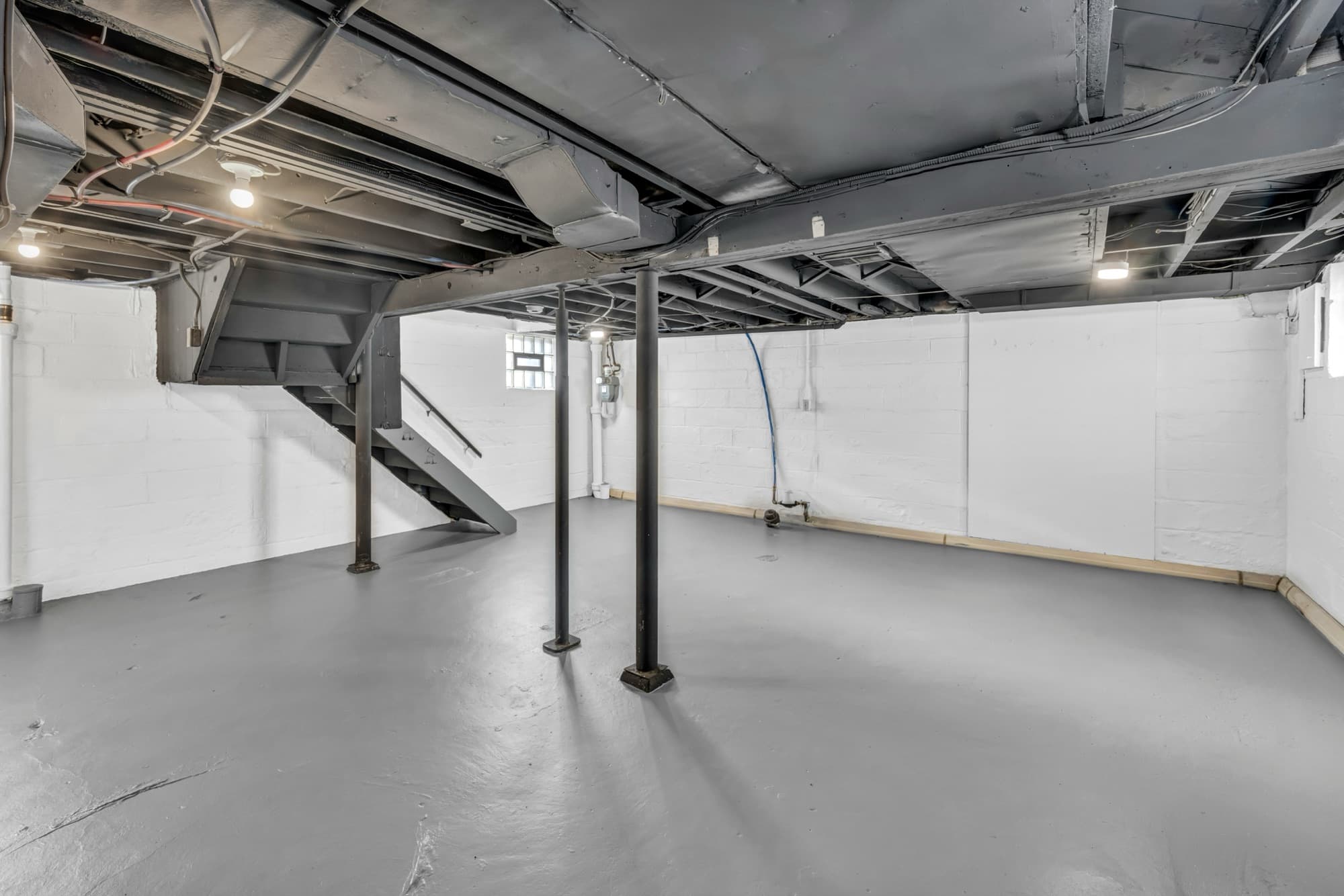
Basement waterproofing covers everything from a simple drainage fix to a full exterior system, and the right approach depends on where the water comes from and how much of it there is. This guide explains the main methods, how they compare, and what actually drives the price so you can judge a quote instead of guessing.
The short answer
Interior versus exterior: two philosophies
There are two ways to deal with a wet basement. Interior waterproofing accepts that some water will reach the wall and gives it a controlled path out, usually a perimeter drain feeding a sump pump. Exterior waterproofing stops water before it enters, by excavating around the foundation and sealing the outside with a membrane and drainage board. Interior work is cheaper and far less disruptive; exterior work is the most complete and the most expensive. Many homes end up with a mix.
The main methods
In rough order of cost and disruption, these are the methods a contractor will draw from. Most real jobs combine two or three of them.
Grading and gutters
The cheapest and most overlooked step. Moving roof water away with extended downspouts and sloping soil from the house solves a real share of problems on its own, and it costs little enough that it is always worth doing first. Skipping it and jumping straight to a drainage system is how people overpay.
Crack injection
For a specific leak in a poured wall, polyurethane or epoxy injection seals the crack directly. Fast and targeted, often done in a single visit, but it only addresses that one crack, not a whole wall or a groundwater problem.
Interior drainage and a sump pump
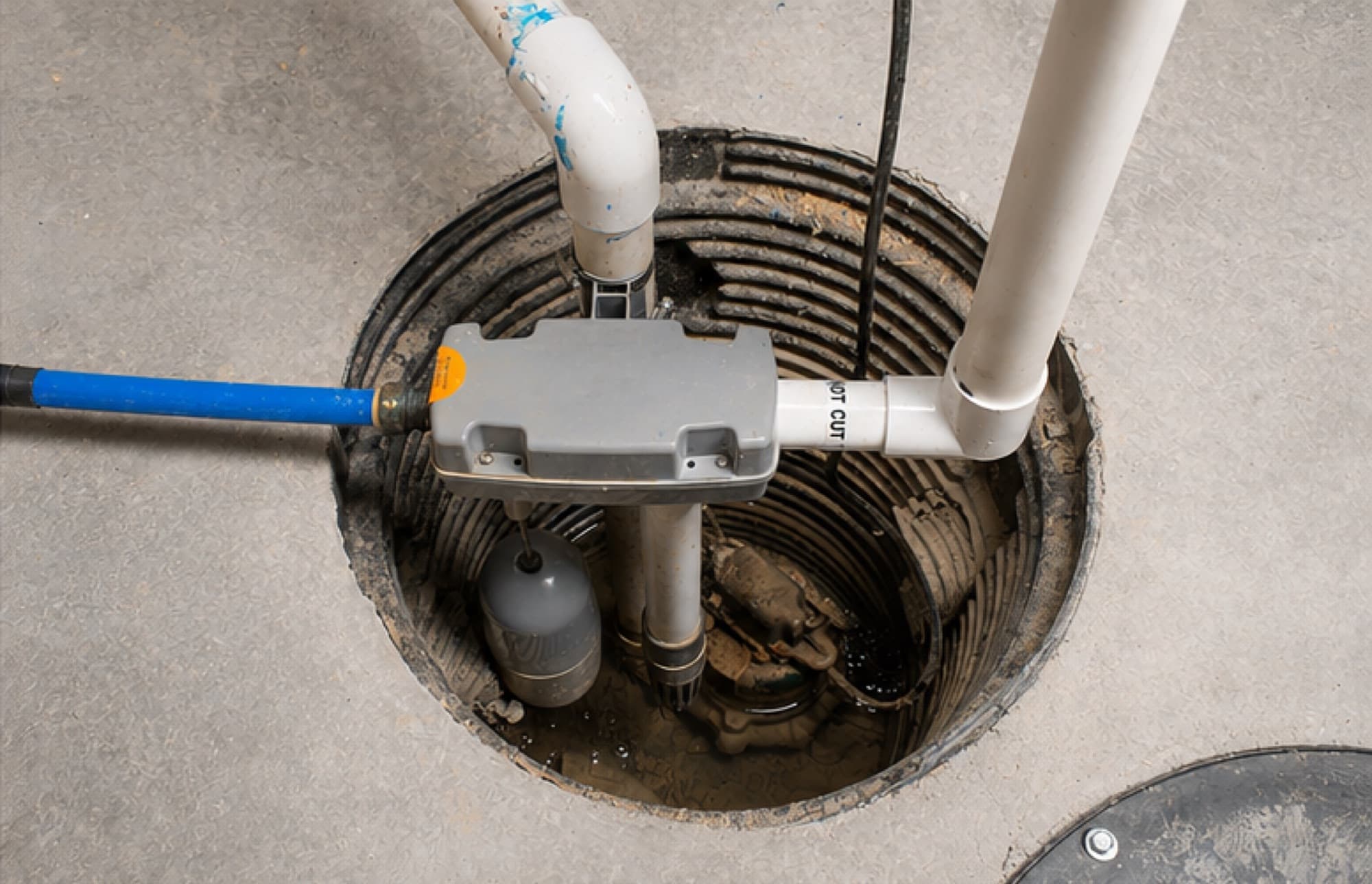
The most common professional fix. A channel around the interior perimeter collects water below the slab and a sump pump evacuates it. It is effective against groundwater and hydrostatic pressure, and far less disruptive than exterior work because nothing outside gets dug up. See our French drain versus sump pump guide for how those two pieces fit together.
Exterior membrane
The gold standard for keeping walls dry, and the reason it costs the most: it requires excavating around the foundation down to the footing, sealing the outside with a waterproof membrane and drainage board, and backfilling. Usually reserved for serious or persistent water problems, or done opportunistically when the foundation is already exposed for other work.
DIY versus hiring a pro
The line is clearer than most people think. The first line of defense is genuinely DIY:
- Clean the gutters and extend downspouts several feet from the house.
- Regrade soil so it slopes away from the foundation.
- Run a dehumidifier if the problem is humidity, not a leak.
- Seal an obvious gap around a window well or pipe penetration.
Once you are talking about interior drainage, sump systems, exterior excavation, or any crack tied to structural movement, hire a professional. The result matters, the work is hard to redo, and many of these jobs need a permit. Whether a permit is required, and who issues it, is set locally: you can see the verified authority for your city in our permit fee report.
What drives the price
The same job costs different amounts in different places, and the drivers are physical, not arbitrary:
- Soil and water table. Slow-draining clay holds water against the wall, and a high water table means constant hydrostatic pressure. Both push toward the more involved methods.
- Method required. A single crack injection and a full exterior membrane are an order of magnitude apart.
- Size, depth, and access. A large, deep, or hard-to-reach foundation costs more to treat, especially for exterior work.
- Climate load. Heavy rain and many freeze-thaw cycles a year put more stress on a foundation over time.
- Local labor and permit costs. These vary widely by jurisdiction and are genuinely local.
Our city pages break the first four factors down one market at a time, using real USDA soil data and ERA5 climate normals rather than a national guess.
Is it worth it?
Water damage compounds. A drainage problem that costs little to correct early can turn into mold, rot framing, and eventually structural repair if it is ignored, and it tends to surface on a buyer's inspection at the worst possible time.
For local price ranges, see our basement waterproofing cost report or pick your city in the sidebar to get matched with contractors.