Foundations usually warn you before they fail. The signs are easy to miss one at a time, but together they tell a story about a foundation that is moving. Here are the ones worth taking seriously, and what each usually means.
The short answer
1. Cracks that grow or run horizontal
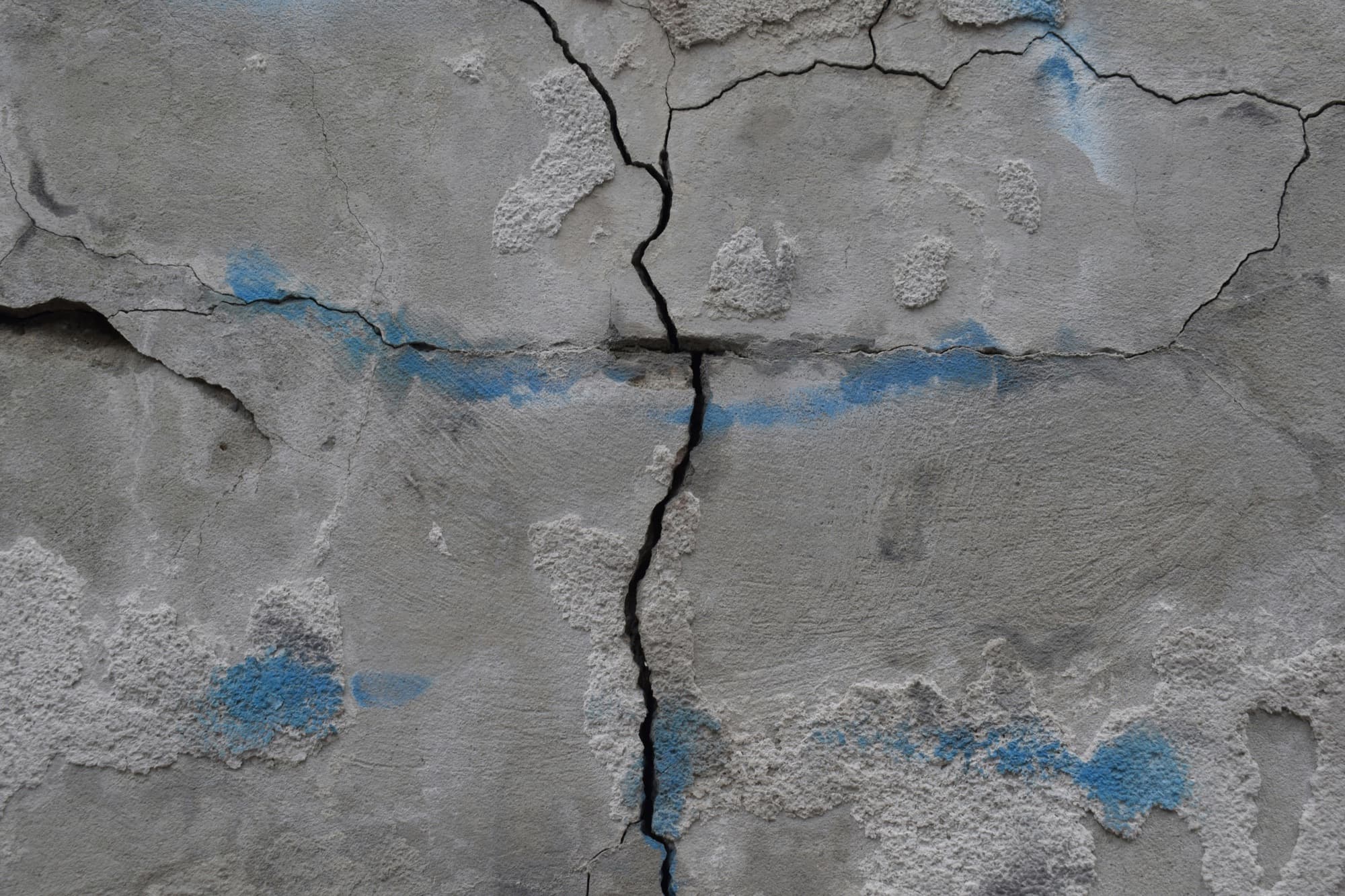
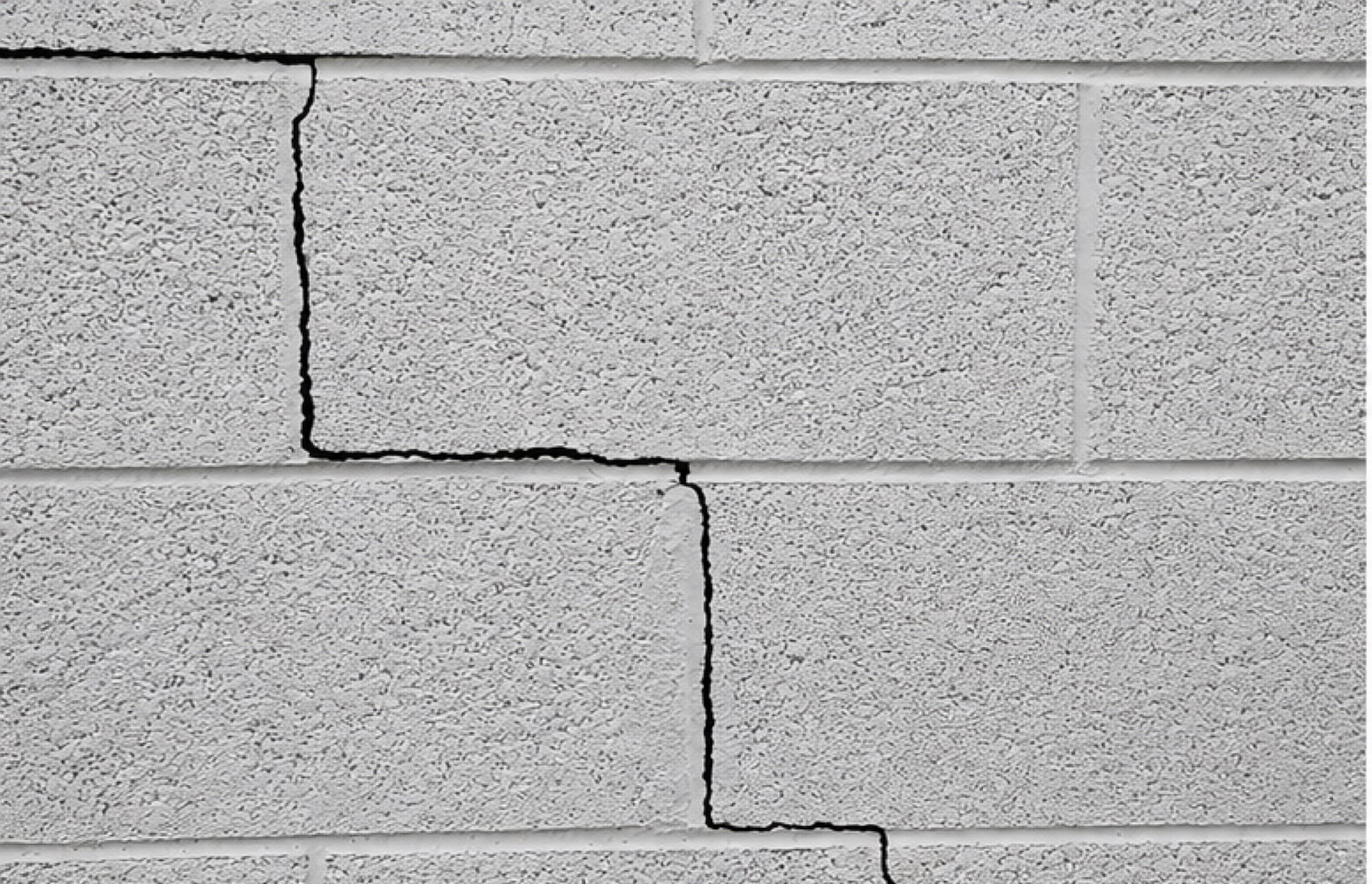
Thin vertical cracks are common as concrete cures. The ones to watch are horizontal cracks, stair-step cracks through block joints, and any crack that is widening over time. Those patterns point to pressure or movement rather than simple curing.
2. Doors and windows that stick
When a frame shifts, doors and windows bind, latch poorly, or leave gaps at the corners. Seasonal humidity does this too, so weigh it alongside the other signs rather than on its own.
3. Sloping or uneven floors
A floor that dips or tilts, or a spot where furniture no longer sits level, can signal settlement below. A ball that rolls to one side of a room is a simple home test worth trying.
4. Gaps around trim, cabinets, or the chimney
New gaps where crown molding meets the ceiling, where cabinets pull from the wall, or where an exterior chimney separates from the house all suggest parts of the structure are moving at different rates.
5. A bowing or leaning basement wall
A wall curving inward is a direct sign of soil pressure winning. This one earns its own attention; see our bowing wall repair guide for how to judge severity and fix it.
6. Water in the basement
Persistent water and the pressure behind it are a leading cause of foundation trouble, not just a nuisance. If your basement takes on water, our guide to wet basements helps you find the source.
7. A chimney or porch pulling away
Exterior elements tilting or separating from the main house often move first, because they sit on their own footing. A leaning chimney is a classic early warning.
Why foundations move in the first place
Almost every sign above traces back to the ground under the house changing shape or wetness. The two big drivers are worth understanding, because they tell you how worried to be:
- Expansive clay. Clay soils swell when wet and shrink when dry, and that seasonal movement lifts and drops the foundation unevenly. This is the dominant cause of foundation trouble across Texas, Oklahoma, and much of the Plains and Colorado Front Range.
- Water and drainage. Water that pools against the foundation softens the soil that supports it and adds pressure against the walls, which is why drainage problems and structural problems so often show up together.
What to do when you spot the signs
One minor sign is usually nothing. The response scales with how many you see and whether they are changing:
- One stable, minor sign: note it, photograph it, and check again in a few months.
- Several together: worth a professional evaluation, which is usually free or low cost from a foundation specialist.
- Anything clearly getting worse: do not wait. Foundation repairs get more expensive the longer the movement continues.
For local price ranges by method and city, see our foundation repair cost report, or pick your city in the sidebar to get matched with local specialists.