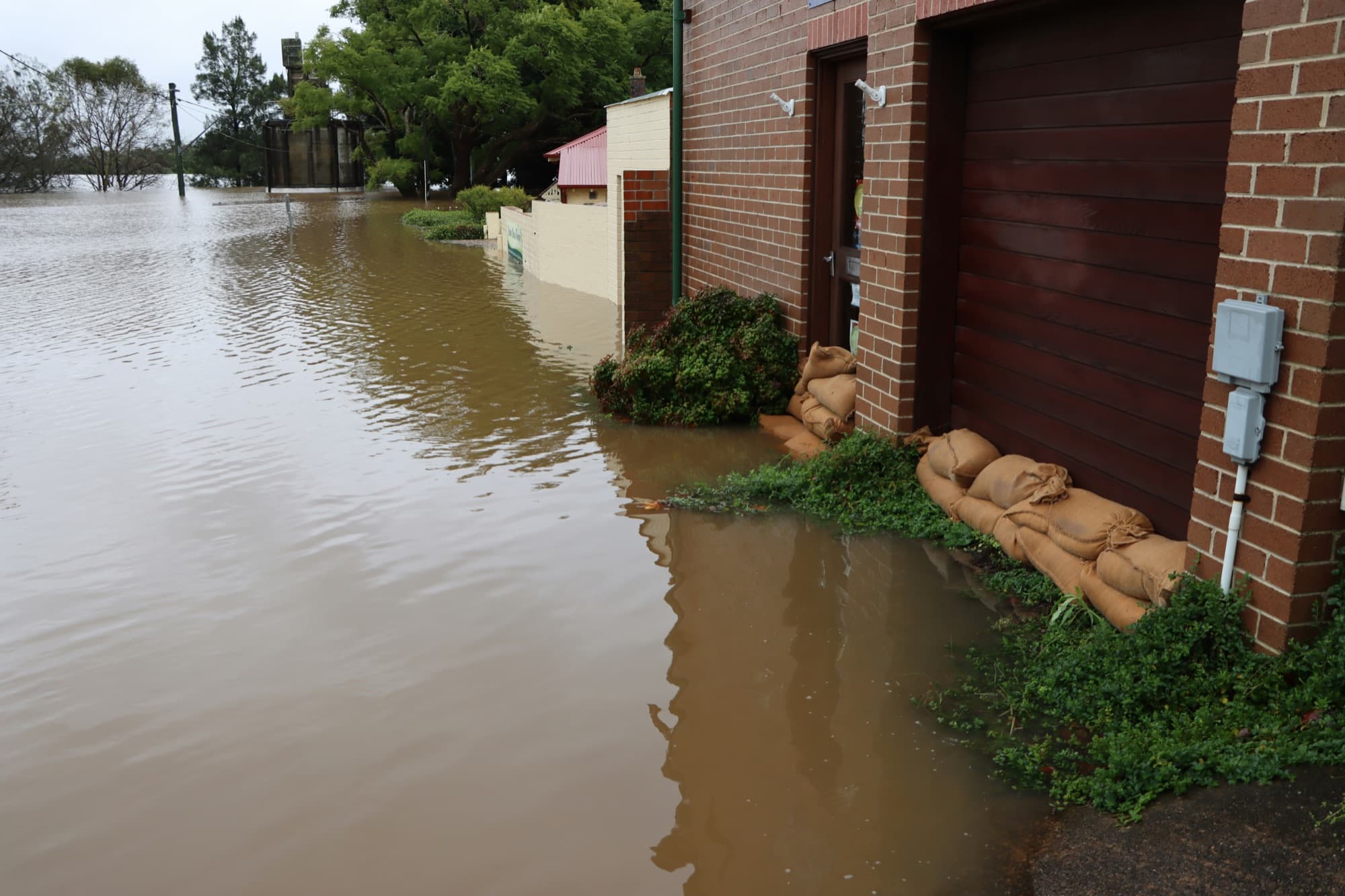
A wet basement is one of the most common problems homeowners run into, and water is stubborn: it follows the path of least resistance until something stops it. The good news is that almost every wet basement traces back to a short list of causes. Identifying which one you have is the whole game, because the right fix for one cause is a waste of money on another. A sump pump does nothing for a condensation problem, and a dehumidifier does nothing for groundwater pushing up through the slab.
The short answer
This guide walks through the causes, how to tell them apart yourself, what it takes to fix each one, and when the job has moved past DIY. It also covers something most cost guides skip: the fact that whether your address sits in a mapped flood zone tells you surprisingly little about whether your basement will take on water.
The most common causes
Nearly every wet basement comes down to one of six causes. Read these with your own basement in mind, because the tells are specific.
1. Poor exterior drainage
This is the number one culprit and the cheapest to fix, so it is always the first thing to check. Gutters that overflow, downspouts that dump right next to the wall, or soil that slopes toward the house all send rainwater straight down against the foundation, where it collects and eventually finds a way in. The classic sign is water that appears only after heavy rain and dries out between storms.
2. Hydrostatic pressure
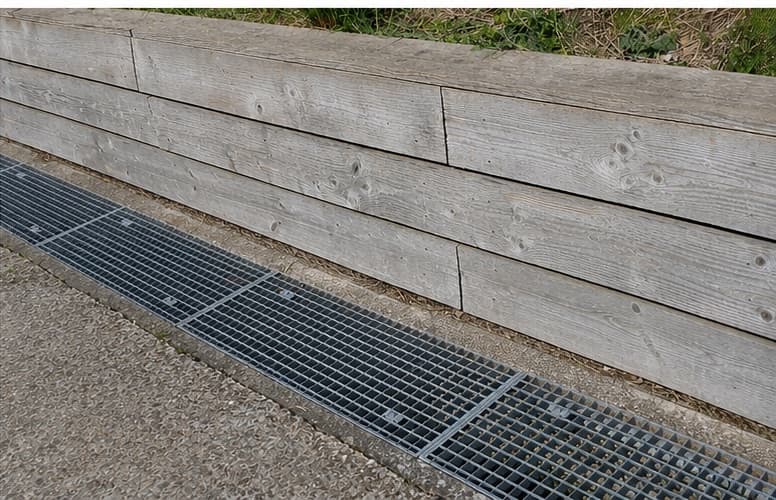
When the water table rises after heavy rain or snowmelt, saturated soil presses water up through the floor and in through the cove joint where the wall meets the slab. This is why some basements flood from the bottom rather than the walls. Homes on slow-draining clay soils are especially prone to it, because the ground holds water against the foundation instead of letting it soak away. You can look up the mapped soil and drainage under your own city on any of our city pages.
3. Foundation cracks
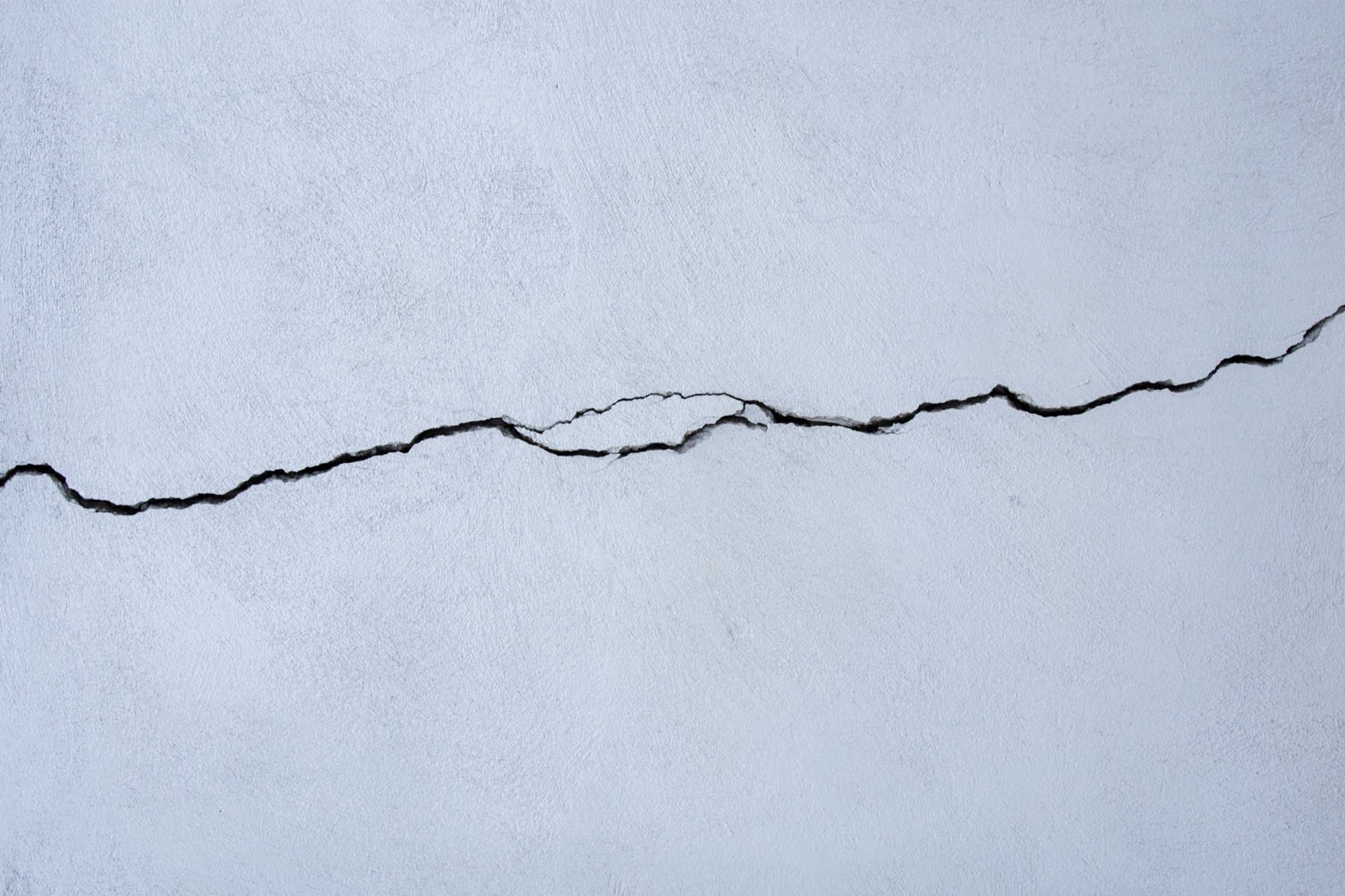
Cracks in poured walls or gaps in block joints give water a direct route in. Hairline cracks often just weep during wet spells; wider cracks, cracks that are growing, or horizontal cracks can point to structural movement rather than simple shrinkage. A single wet spot traced to one crack is a very different problem, and a much cheaper one, than water along a whole wall.
4. Failed or missing interior drainage
An interior drain that has silted up, or a sump pump that has failed or lost power, will let water collect that used to be carried away. If your basement stayed dry for years and suddenly does not, a failed pump or clogged drain is one of the first things to rule out.
5. Condensation, not a leak
Sometimes the wall is not leaking at all: warm, humid air is condensing on cool concrete, the same way a cold glass sweats in summer. There is a simple test. Tape a square of aluminum foil tightly to the wall and leave it a day or two. Moisture on the room side of the foil means humidity, and a dehumidifier will fix it. Moisture trapped behind the foil means water is coming through the wall.
6. Plumbing and appliance leaks
Before assuming the foundation is the problem, rule out the boring explanations: a weeping water heater, a condensate line from the furnace or AC, or a slow supply-line drip. These show up as a localized wet area near the fixture rather than along the foundation, and they are usually the easiest fix on this list.
How to tell them apart
Timing and location are your best clues, and you can narrow the cause down without any tools:
- Only after rain, drying out between storms: exterior drainage. Start with gutters, downspouts, and grading.
- At the floor-and-wall joint during wet seasons: hydrostatic pressure and groundwater.
- One wet spot or streak on a wall: a crack or a tie-rod hole.
- Damp, sweaty walls in summer with no clear source: humidity. Run the foil test.
- Localized puddle near a fixture: plumbing or an appliance, not the foundation.
What the flood map will not tell you
Many homeowners assume that if they are not in a FEMA flood zone, a wet basement is not something they need to worry about. The claims data says otherwise. When we analysed FEMA basement flood claims across 156 counties, close to a third were filed outside the mapped 100-year floodplain, and that figure is a floor rather than a ceiling.
Fixes, from simplest to most involved
Work from cheapest to most involved, because the cheap fixes solve a surprising share of cases and cost almost nothing to try.
- Drainage and grading. Clean the gutters, extend downspouts several feet from the house, and regrade soil so it slopes away from the foundation. This alone resolves many rain-driven cases.
- Dehumidification. If the foil test pointed to humidity, a basement dehumidifier is the whole fix.
- Crack injection. A single leaking crack in a poured wall can be sealed with a polyurethane or epoxy injection, often in an afternoon.
- Interior drainage and a sump pump. For groundwater and hydrostatic pressure, an interior perimeter drain feeding a sump pump collects water under the slab and pumps it out.
- Full waterproofing. Interior or exterior membrane systems seal the walls themselves. Our complete waterproofing guide compares the methods and where each makes sense.
When to call a professional
Recurring water, water that comes up through the floor, cracks that are growing, horizontal cracks, or any sign of foundation movement are all reasons to bring in a specialist rather than keep patching. Structural work also frequently needs a permit, and interior sealing often does not; the rules are set locally, and you can see the verified permit authority for your city on its page or in our permit fee report.
For local price ranges before you call anyone, see our basement waterproofing cost report, or pick your city in the sidebar to get matched with local contractors.