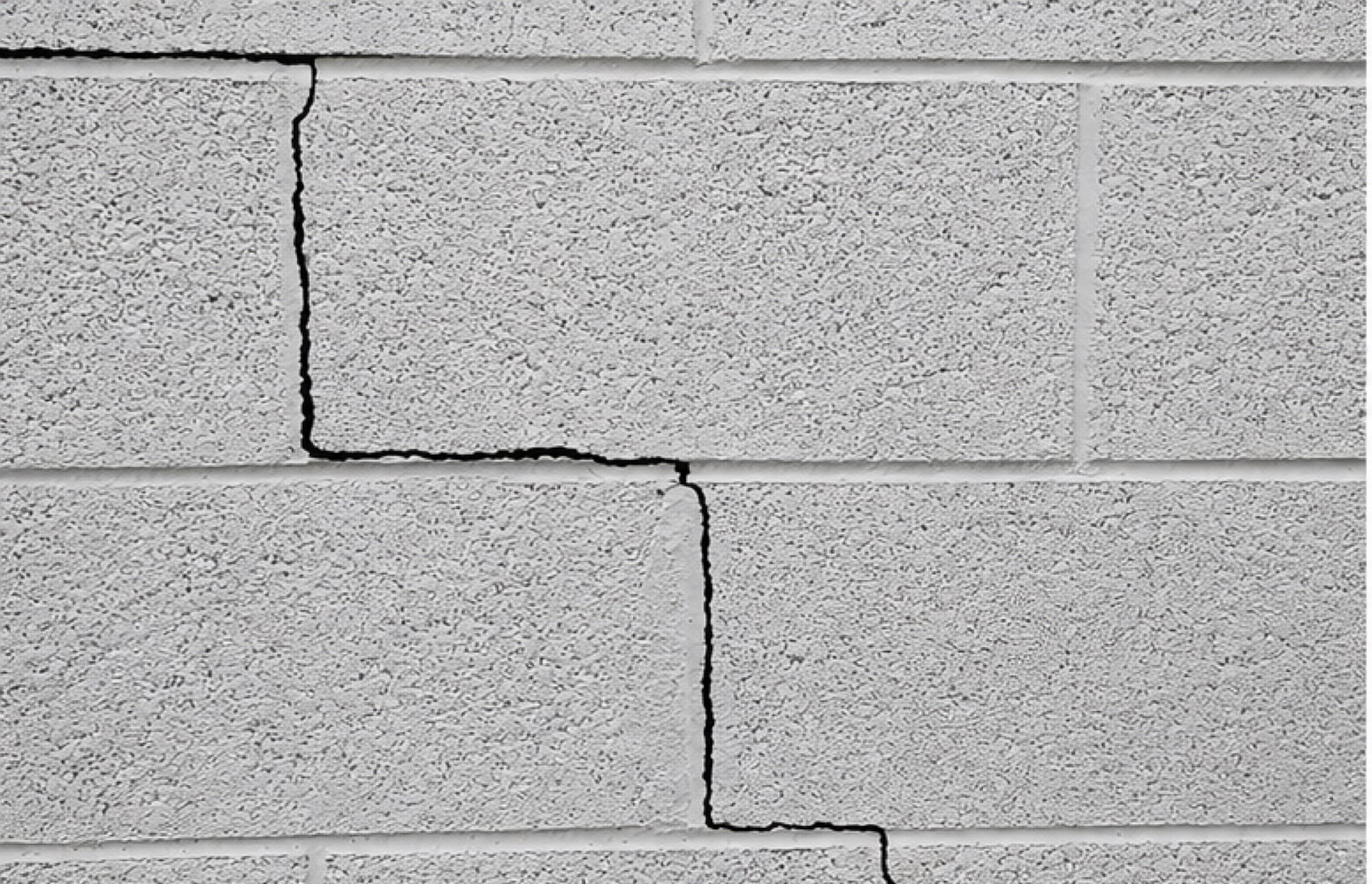
Foundation repair has the widest price range of any work on a house: the same two words cover a few-hundred-dollar crack seal and a five-figure underpinning job. What sets your number is the diagnosis, what is actually wrong, and how much of the foundation it affects. Here is where the money goes, repair by repair.
The short answer
What drives the price
- The repair type. Sealing a crack, bracing a bowing wall, and underpinning a settling foundation are different jobs an order of magnitude apart in cost.
- The extent. Repairs scale with the affected length, the number of piers, the number of wall anchors, the feet of crack.
- Access and depth. Piers driven deeper to reach load-bearing soil, or work under a finished space, cost more.
- The cause, if it is ongoing. If water or soil movement is still acting on the foundation, stopping it (drainage, grading) is part of a lasting fix, not an optional extra.
Typical repairs, low to high
- Crack injection / sealing: the low end. An epoxy or polyurethane injection closes a non-structural crack against water.
- Bowing wall stabilization: mid-range. Carbon-fiber straps for a mild bow, steel I-beams or wall anchors for a worse one. Our bowing wall guide covers the methods.
- Pier underpinning: the high end. Push or helical piers lift and stabilize a settling foundation; cost scales with pier count.
Catch it early, it only gets more expensive
Foundation problems compound. A crack that would take a cheap injection today becomes a structural repair once water and soil movement widen it. In cold regions that clock runs faster: repeated freeze-thaw cycles heave the ground and work cracks open over a winter. Learn the warning signs so you act while the fix is still small.
For a region-tuned range and matched local contractors, see our foundation repair cost report or your city page.