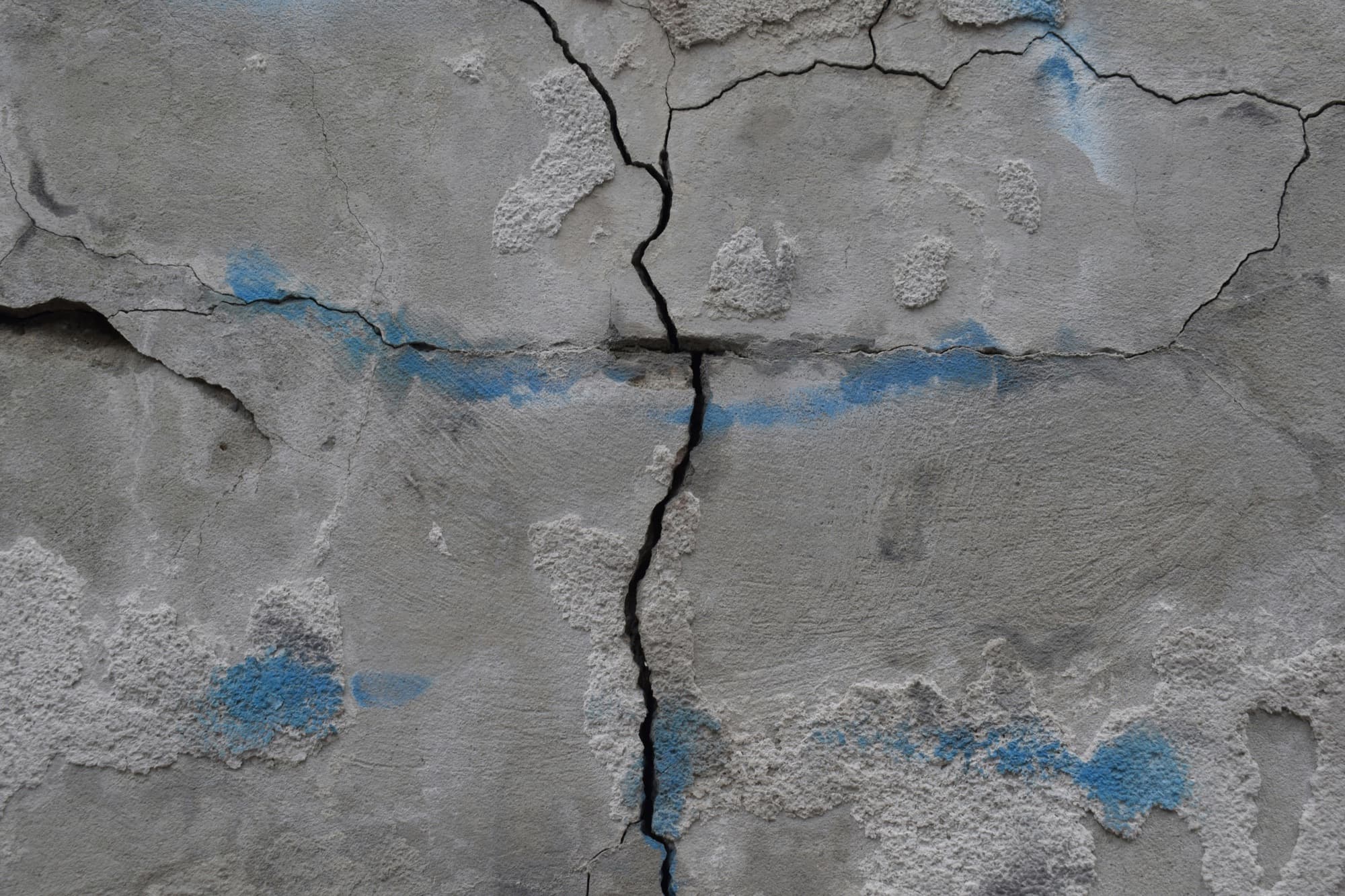
Not every foundation crack is a crisis, and not every crack is harmless. The direction, width, and location of a crack tell you a lot about what caused it and whether it’s structural. Here’s how to read the common types so you know what you’re looking at before you panic, or before you ignore something you shouldn’t.
The short answer
Vertical cracks
Usually the least worrying. Poured concrete shrinks as it cures, and a thin vertical or slightly diagonal crack in the first couple of years is often just that. They can still let water in, so sealing them is worth it, but on their own they rarely mean structural trouble. Watch for widening over time.
Horizontal cracks
The ones to respect. A horizontal crack, especially partway up a basement wall, usually means soil or water pressure is pushing the wall inward. Left alone it can progress to a bowing wall. These are structural and warrant a professional look promptly.
Stair-step cracks
Common in block and brick foundations, these follow the mortar joints in a staircase pattern. Thin and stable ones can be cosmetic, but wide or growing stair-step cracks typically mean differential settlement, one part of the foundation is sinking relative to another, which is structural and often needs underpinning.
Hairline and shrinkage cracks
Very thin cracks, often in a web or map pattern, usually from concrete curing. Almost always cosmetic. Seal them if they weep water; otherwise monitor.
When to call a professional
- Any horizontal crack, or a wall that looks like it’s bowing inward.
- Stair-step or diagonal cracks wider than about 1/4 inch, or growing.
- Cracks paired with sticking doors/windows, sloping floors, or gaps at trim.
- Any crack actively leaking water you can’t stop with a sealant.
If you’re seeing the serious kind, read the broader warning signs and what a repair runs in our foundation repair cost guide. For local pricing and vetted contractors, see foundation repair costs by city.