"Waterproofing" covers two very different jobs. One works from inside the basement, managing water after it reaches the wall. The other works from outside, stopping water before it gets there. They cost different amounts, disrupt your home to different degrees, and fix different problems, so the first question is not which is better, but which one your basement actually needs.
The short answer
What interior waterproofing does
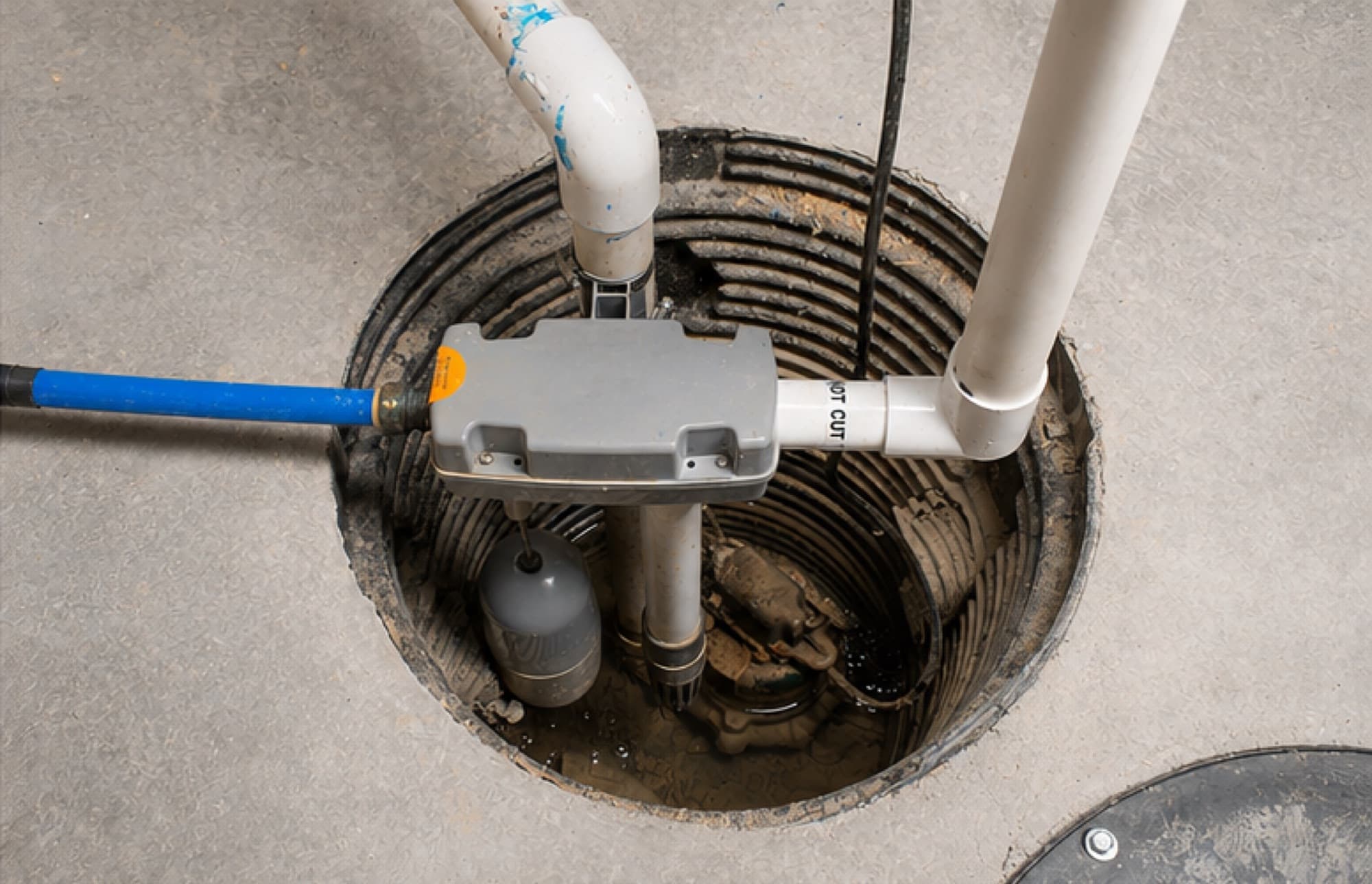
An interior system does not try to keep the wall dry. It assumes water will reach the foundation and gives it a controlled path out. A channel is cut into the basement floor along the footing, a perforated pipe collects water seeping in at the wall-floor joint, and it drains to a pit where a sump pump lifts it out and away from the house. It is the standard fix because it can be installed in a day or two without touching the yard, and because most basement water arrives at that wall-floor joint under groundwater pressure rather than through the face of the wall.
What exterior waterproofing does
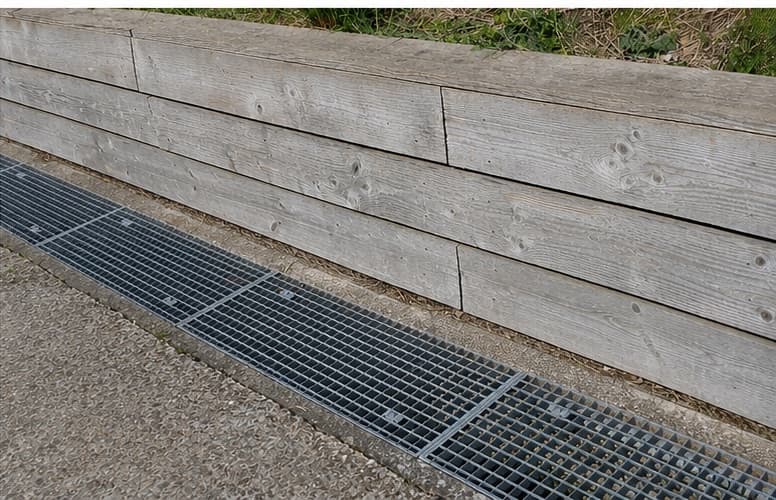
An exterior system stops water reaching the wall in the first place. A crew excavates down to the footing, cleans the outside of the foundation, applies a waterproof membrane or coating, and usually lays a footing drain (a French drain) in gravel to carry groundwater away before it can build pressure. It is the more complete fix because it keeps the structure itself dry, but the excavation is what makes it cost several times more and take longer, and it can mean moving decks, landscaping, or a driveway.
How they compare
| Interior | Exterior | |
|---|---|---|
| What it fixes | Water that has already reached the wall or wall-floor joint. | Water reaching the wall at all; keeps the structure dry. |
| How invasive | Indoor work; the yard is untouched. One to two days. | Excavation around the foundation; landscaping is affected. |
| Relative cost | Lower. A drain and sump pump are the core of it. | Several times higher, driven by the digging. |
| Best when | The goal is a dry, usable basement (most cases). | The wall is failing from outside, or must stay dry structurally. |
Which should you choose?
- Occasional seepage, a usable dry basement is the goal: an interior drain and sump pump is almost always the right call.
- Active exterior damage, a bowing wall, failed exterior coating, or a wall that must stay dry structurally, is when exterior work earns its cost.
- High groundwater makes a sump pump close to mandatory either way; see how deep the water table rises in your city in our water-table report.
Whichever route fits, get more than one quote and make sure each is pricing the same scope. Our cost guide walks through what drives the number, and every city page has local price ranges and matched contractors so you can compare against your own market.